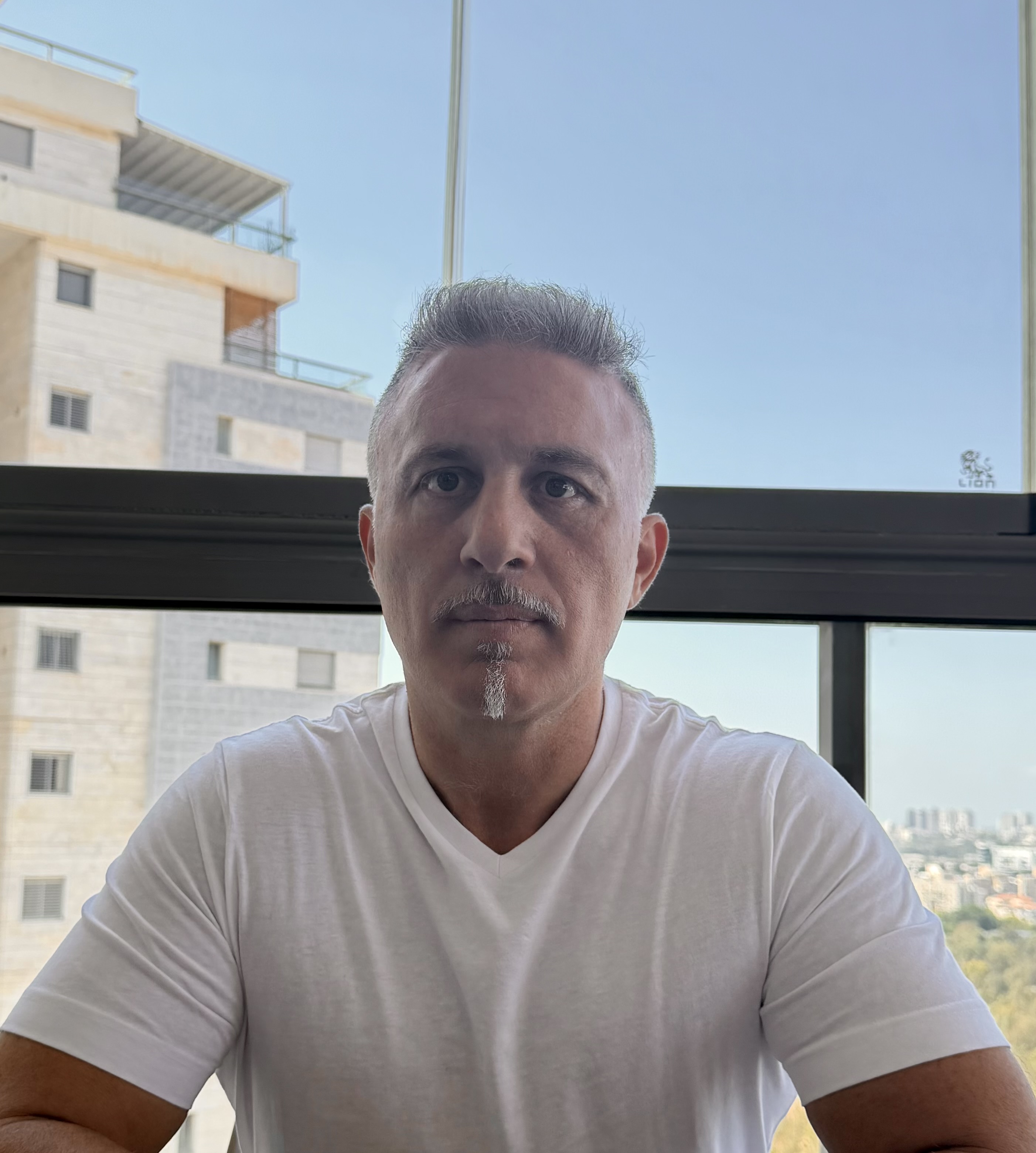
Moshe Kazan
Why Did I Write Moses – Son of Ramses?
This book did not begin with a character.
It began with a question.
How could Moses have grown up in Pharaoh’s palace without Pharaoh knowing who he really was?
The more I read the story of the Exodus, the more that question stayed with me.
It seemed impossible that Moses could have been raised inside the royal palace without Pharaoh knowing exactly who he was.
And if he knew…
Why did he let him live?
As I went deeper into that question, it stopped being a historical one and became something far more human — almost unbearable.
What happens when a king raises as his own son the child destined to bring him down?
Inside that palace, there was more than the story of an empire and an enslaved people. There was a far more dangerous bond — a love built on a secret, and a loyalty stretched to its breaking point.
What did Pharaoh see in this child that made him willing to gamble the future of his kingdom?
And Moses…
A Hebrew child raised between two fathers, two peoples, and two identities, knowing that the man who raised him is also the man determining the fate of his people.
That was the beginning of the journey that became this novel — a retelling of the Exodus from a different perspective: not only as a struggle between two peoples, but as an intimate tragedy between father and son, a story of love becoming a weapon, and of a destiny that cannot be escaped.
Who is behind these words?
My name is Moshe Kazan. I am an entrepreneur and businessman, husband to Tea, and father to Nicole, Lian, and May.
The story of Moses is one of the most defining stories of the Jewish people — a story of identity, faith, freedom, and choice. It has fascinated me for as long as I can remember.
But the deeper I explored it, the more I found myself returning to the human being behind the monumental figure: the child who grew up in Pharaoh’s palace, the identity torn between two peoples, and the journey that transformed him into Moses.
Out of that curiosity, this book was born —
Moses – Son of Ramses.